
The potential of isoinertial training: science and practical applications
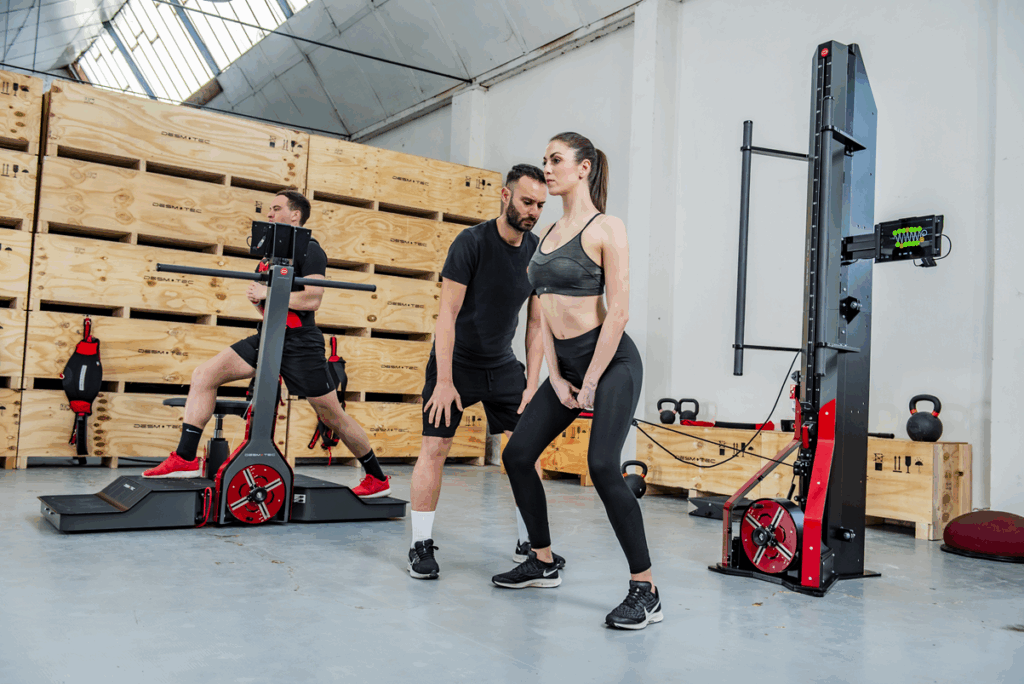
From space missions to gyms The flywheel training, or training with isoinertial flywheel, was born with a very special objective: counter the negative effects of the lack of gravity on astronauts during space travel. Over time, however, this technology has caught the attention of sports scientists and athletic preparatorys, who have begun to exploit it [...]
Isoinertial training: why does it activate more muscles than traditional weights?
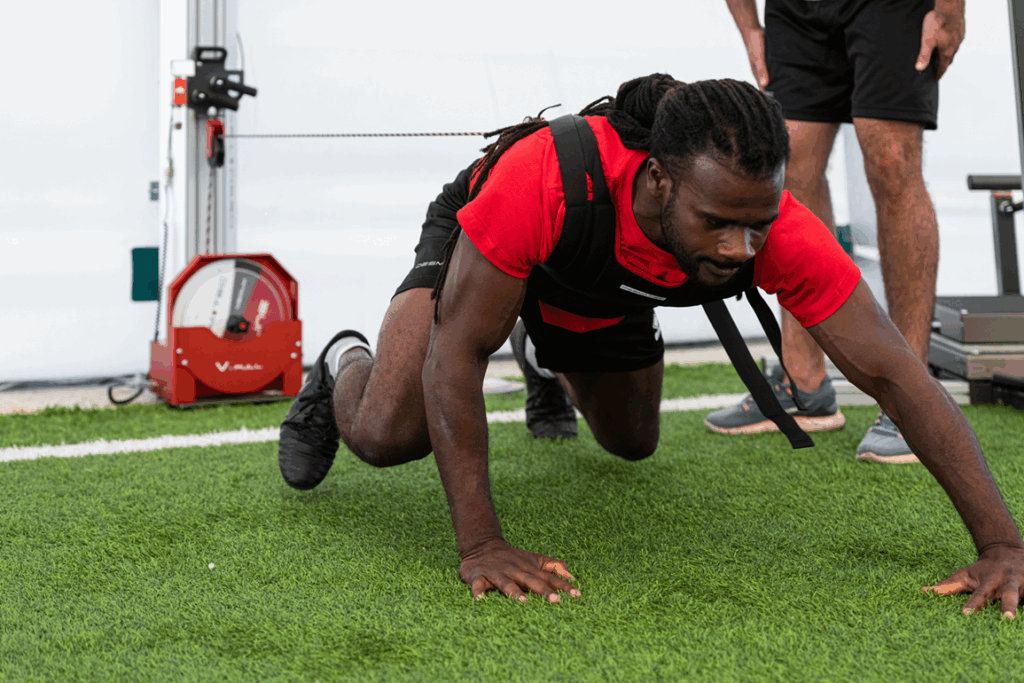
Introduction In the world of fitness and athletic preparation, weight training has always been considered the reference method to develop strength and muscle mass. In recent years, however, an alternative technique has gained attention: Flywheel training. A study conducted by Swedish researchers directly compared this mode with the training [...]
The effectiveness of eccentric training in sport: theory and practical applications
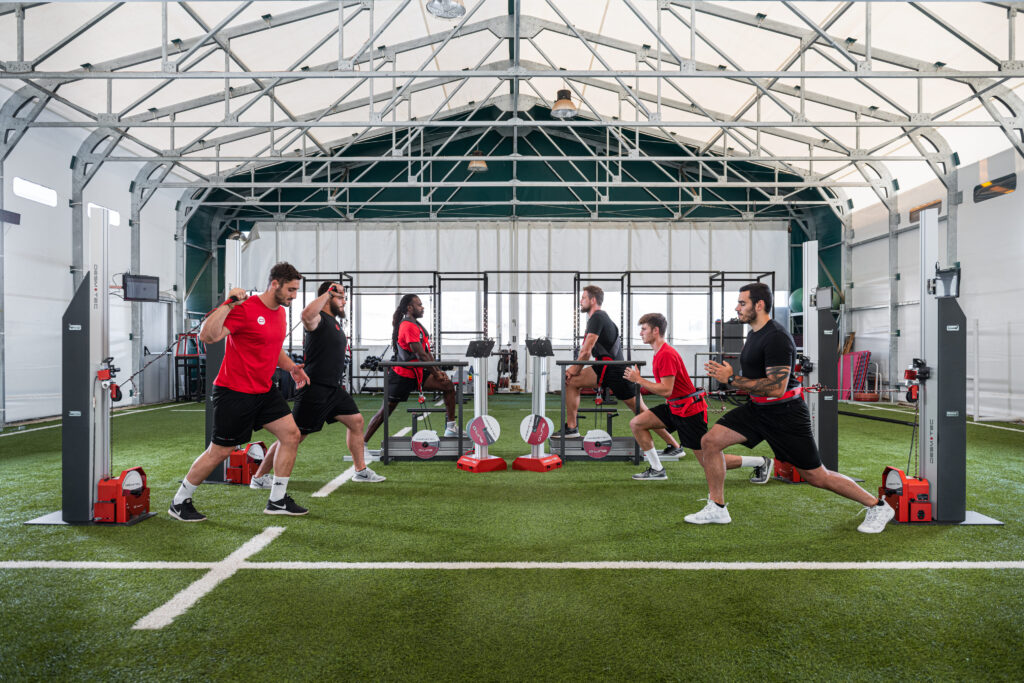
Introduction to eccentric training In recent years, training based on eccentric contractions has gained great popularity among athletic trainers and sports scientists. Unlike concentric contractions (in which the muscle shortens) and isometric (in which the length of the muscle does not change), eccentric contractions occur when the muscle lengthens under load. [...]
Differences in muscle activation between freeweight squats and flywheel resistance squats: a pilot study
Introduction The frontal squat is one of the basic strength exercises, employed in numerous sports to develop the muscles of the lower limbs and back. The flywheel resistance variant gained popularity for its potential to increase eccentric stimulus, i.e. the phase in which the muscle lengthens under tension. [...]
Periodicisation of flywheel training in team sports
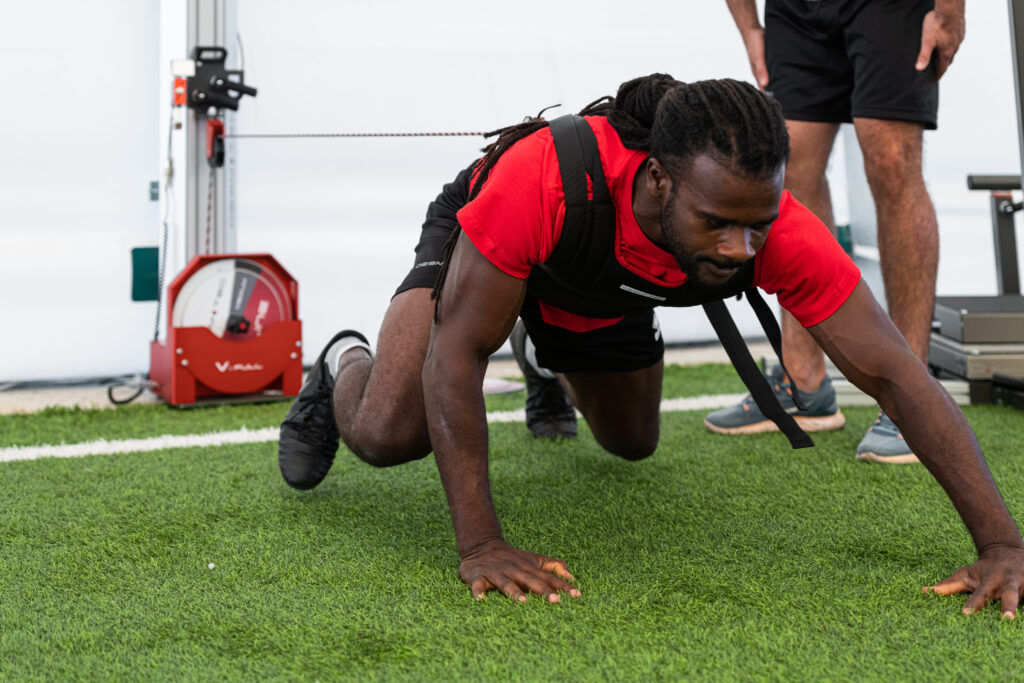
Introduction In team sports, strength training is essential both to improve performance and to prevent injuries. In recent years, the flywheel method has established itself as an effective alternative to traditional weight exercises, thanks to its ability to overload the eccentric phase of movement, often neglected in isotonic exercises. [...]
Flywheel vs Cables: differences and advantages of isoinertial training
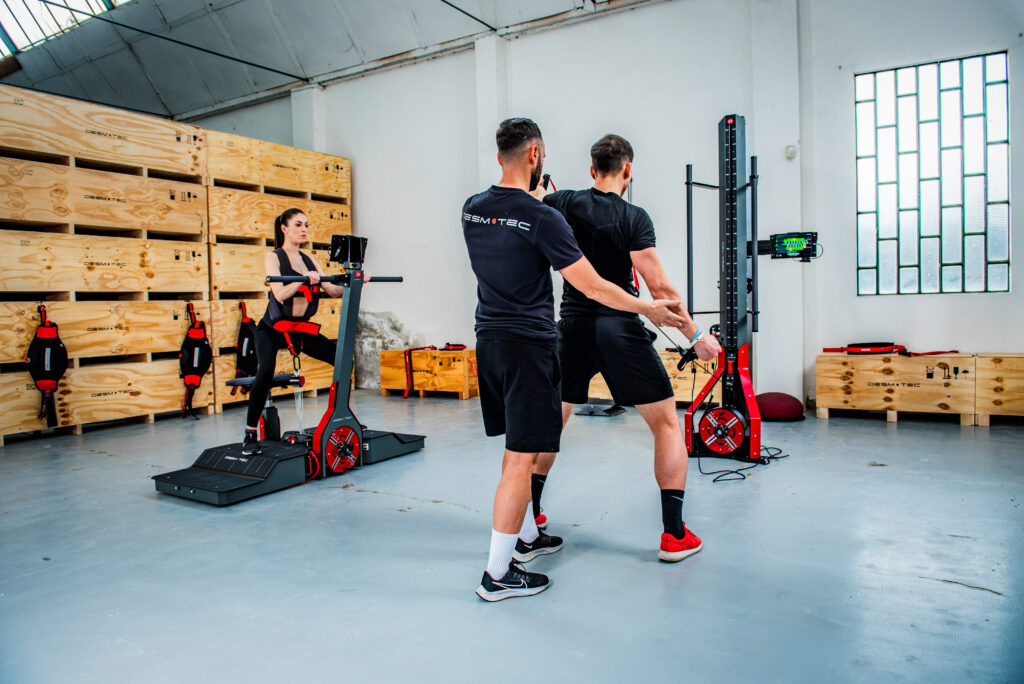
Introduction In the world of training and rehabilitation, the choice of tools makes the difference. Flywheel technology is revolutionizing the way physiotherapists, athletes and trainers approach movement. But what are the real differences from the classic cable systems? In this article we analyze pros and cons, explaining why isoinertial training is [...]

