Introduction to eccentric training
In recent years, training based on eccentric contractions has gained great popularity among athletic trainers and sports scientists. Unlike concentric contractions (in which the muscle shortens) and isometric (in which the length of the muscle does not change), eccentric contractions occur when the muscle lengthens under load. This type of contraction is able to generate more strength with less energy expenditure, making it particularly effective for the development of strength, power and accident prevention
Physiological mechanisms and benefits
Eccentric training produces unique neuromuscular and morphological adaptations. Among the mechanisms involved we find the greater rigidity of sarcomide thanks to the protein titin, the improvement of motor coordination and the increase in the length of muscle bundles. At hormonal and metabolic level, eccentric activity stimulates anabolic signals and more effective recruitment of type II muscle fibers, essential for high intensity sports
Methods of application
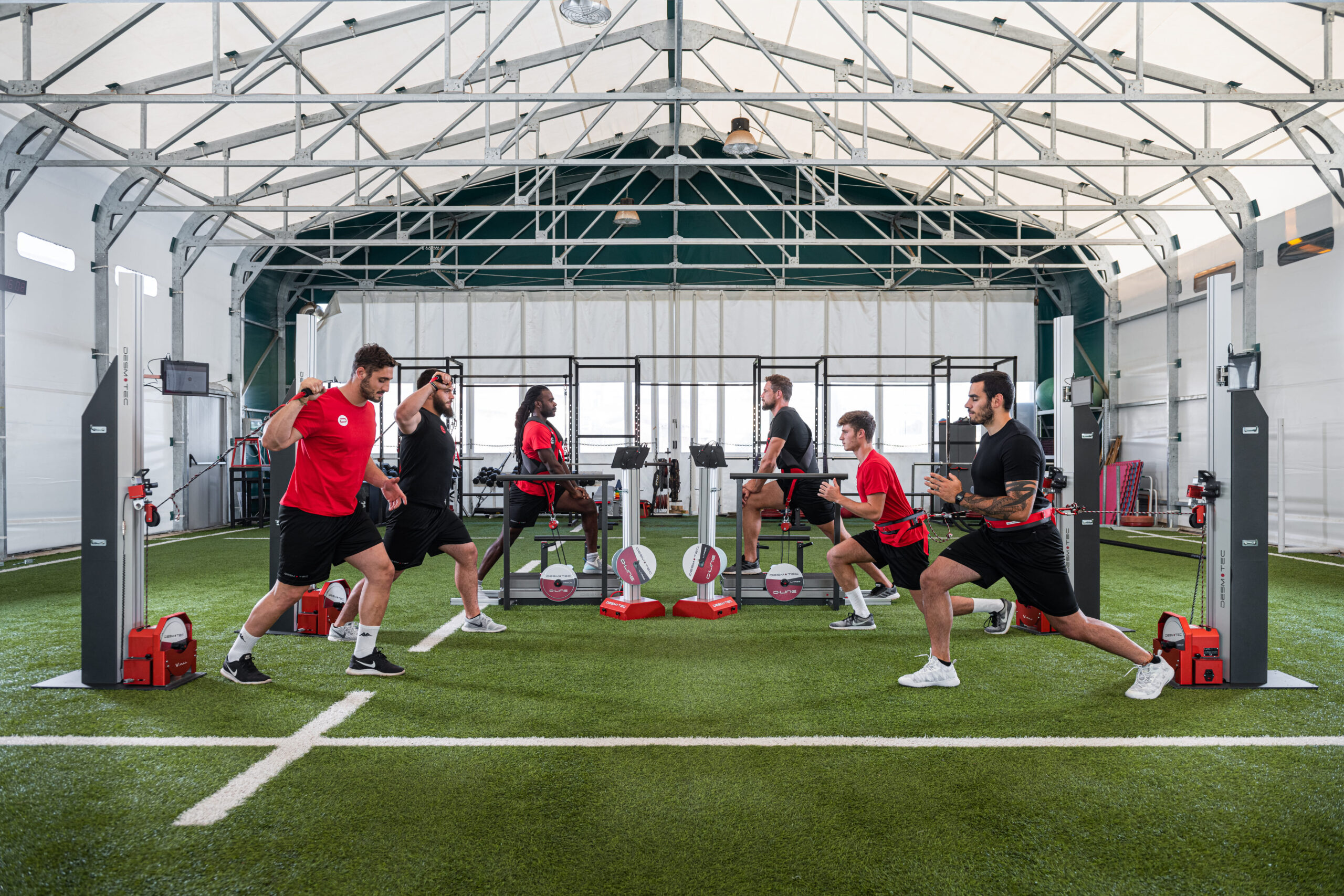
There are several ways to integrate eccentric training into sports programs. Exercises with external loads (such as squats or bench with slow eccentric phases), eccentric accentuated load (AEL), flywheel training (flywheel), ppliometers and natural movements such as sprints and decelerations), are all valid options. In particular, the flywheel allows controlled and safe eccentric overload, useful even during rehabilitation.
Acute and chronic adaptations
At an acute level, eccentric training can lead to a temporary improvement in performance (PAPE effect), but also involves an increased risk of muscle damage and DOMS (late muscular indolence), thus requiring longer recovery times. In the long run, however, the benefits include increased maximum strength, increased elongation-correlation cycle efficiency and better neuromuscular response.
Practical considerations
Preparatorys should be aware that there is no single eccentric "miracle" training mode. A combination of methods, adapted to the specific needs of the athlete, the season stage and individual objectives, is recommended. It is also important to monitor the eccentric load carefully to avoid unwanted overloads, especially in repeated pliometric and sprint exercises
Conclusion
Eccentric training is an extremely valuable tool to improve muscle strength, strength and resilience in athletes. Thanks to its unique mechanisms and variety of practical applications, it can be successfully integrated into physical preparation programs, provided it is used with awareness and customization. The most effective approach is not to choose a single mode, but to combine different strategies to maximise adaptations and support the specific needs of the sport practiced
Discover the range of Desmotec devices designed with flywheel technology and start working more effectively and professionally today.
Go to Desmotec products