From space missions to gyms
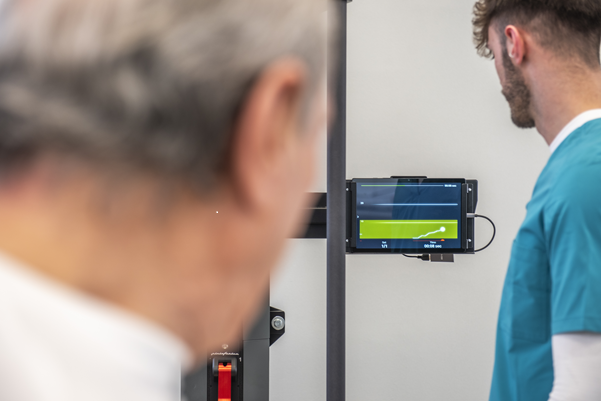
The flywheel training, or training with isoinertial flywheel, was born with a very special objective: counter the negative effects of the lack of gravity on astronauts during space travel. Over time, however, this technology has caught the attention of sports scientists and athletic preparatorys, who have begun to exploit it to improve the performance of athletes, prevent injuries and promote clinical rehabilitation.
How does it work?
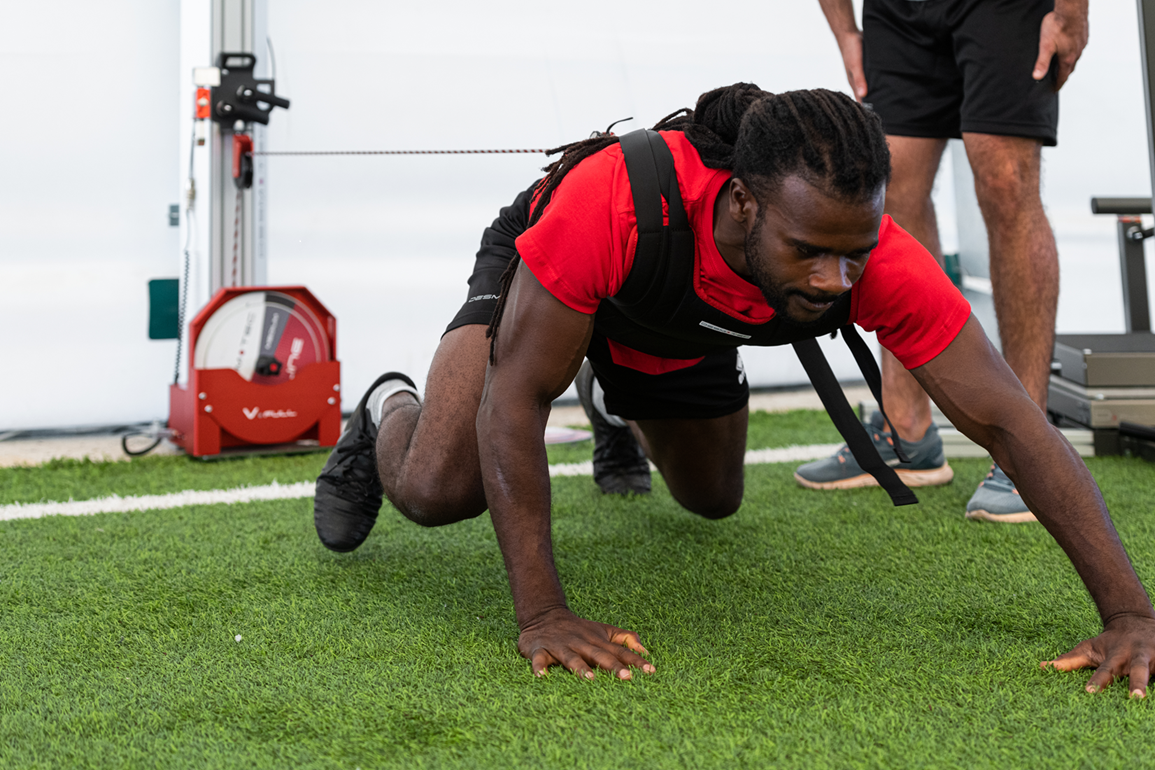
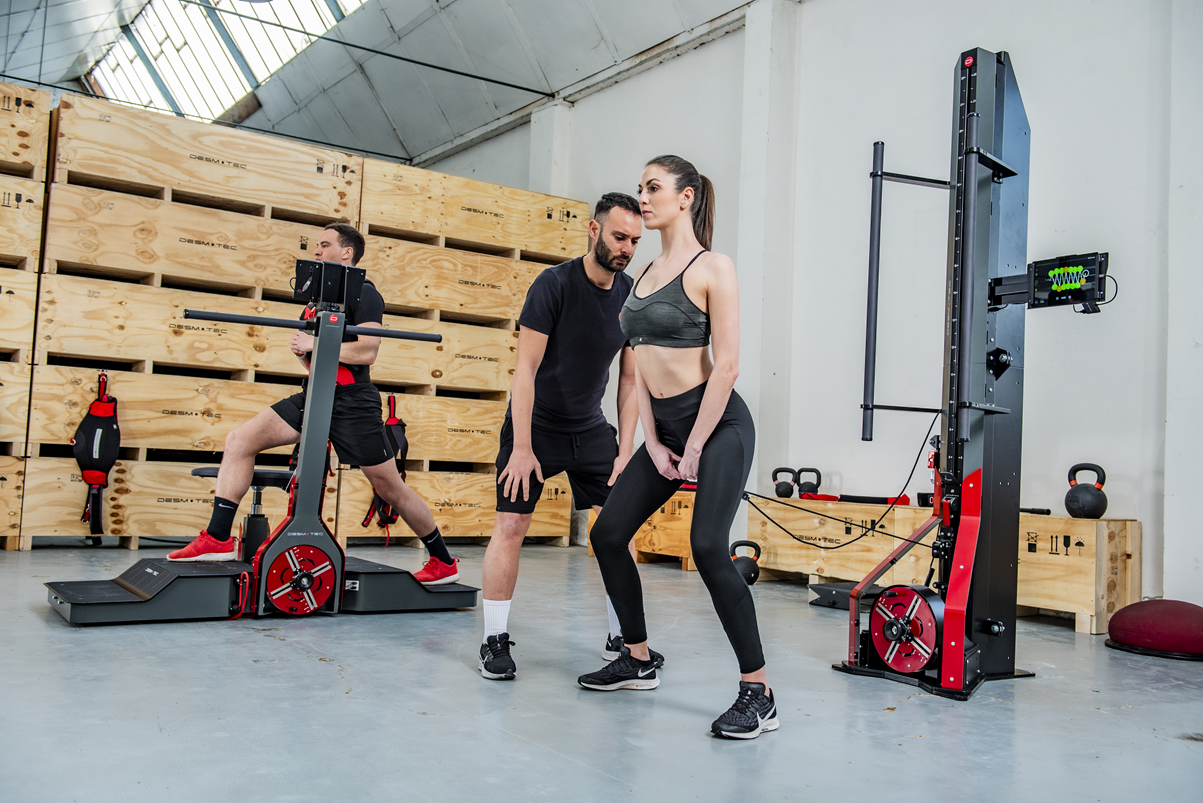
Unlike traditional weights, flywheel uses the inertia of a rotating disc. In the concentric phase of the movement the athlete impresses strength by turning the flywheel; In the eccentric phase, however, it must resist the return of the accumulated energy. This mechanism allows you to obtain a eccentric overload, i.e. particularly effective muscle work to stimulate neural adjustments, muscle growth and increased strength.
Benefits confirmed by research
The research collected in the analyzed publication shows several advantages:
- improvements in explosive force and resistance in long-distance runners;
- possibility to monitor and customize workloads through speed of execution or effort perception;
- comparable (or higher) effectiveness to traditional training to increase muscle mass and neuromuscular capacity;
- useful applications in both elite sports and rehabilitation programs.
Limits and future prospects
Despite promising results, the implementation of flywheel training is still not widespread compared to conventional methods. The main obstacles concern the cost and space of equipment. However, more and more preparatory and physiotherapists and personal trainers consider it an effective tool to be integrated into programs of force, prevention and recovery.
Conclusion
Flywheel training is an innovative technology that combines science and practice, offering a valid alternative to traditional weights. Evidence shows concrete benefits on performance, muscle health and rehabilitation. The challenge now is to spread its use, overcoming logistical and economic barriers, to bring this methodology from academic research to an increasingly daily application in sport and health
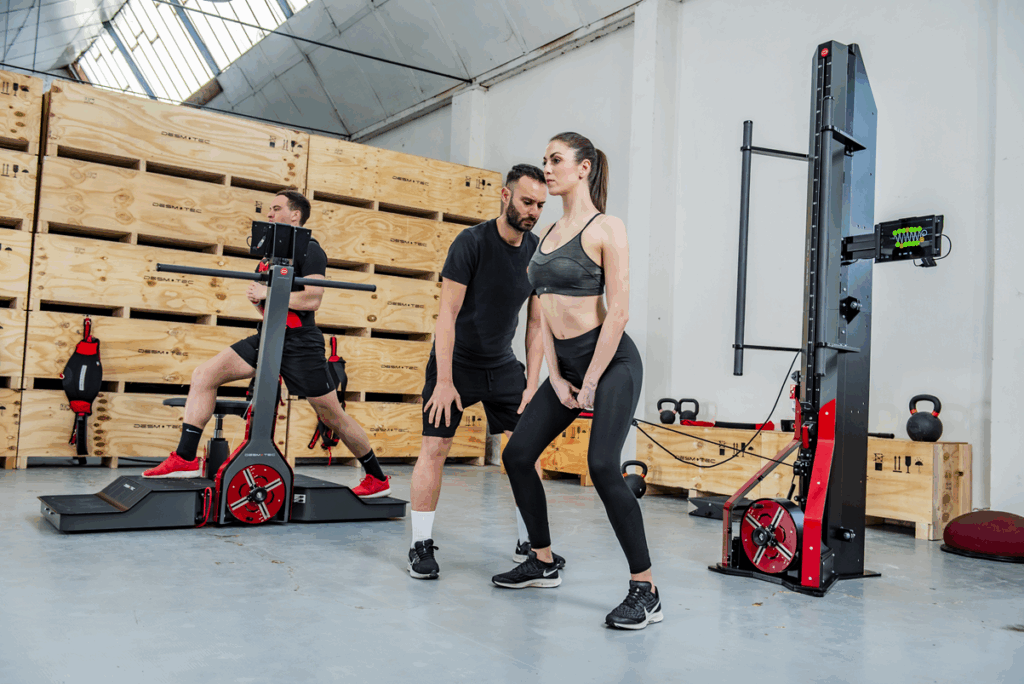
Discover the range of Desmotec devices designed with flywheel technology and start working more effectively and professionally today.
Go to Desmotec products