Introduction
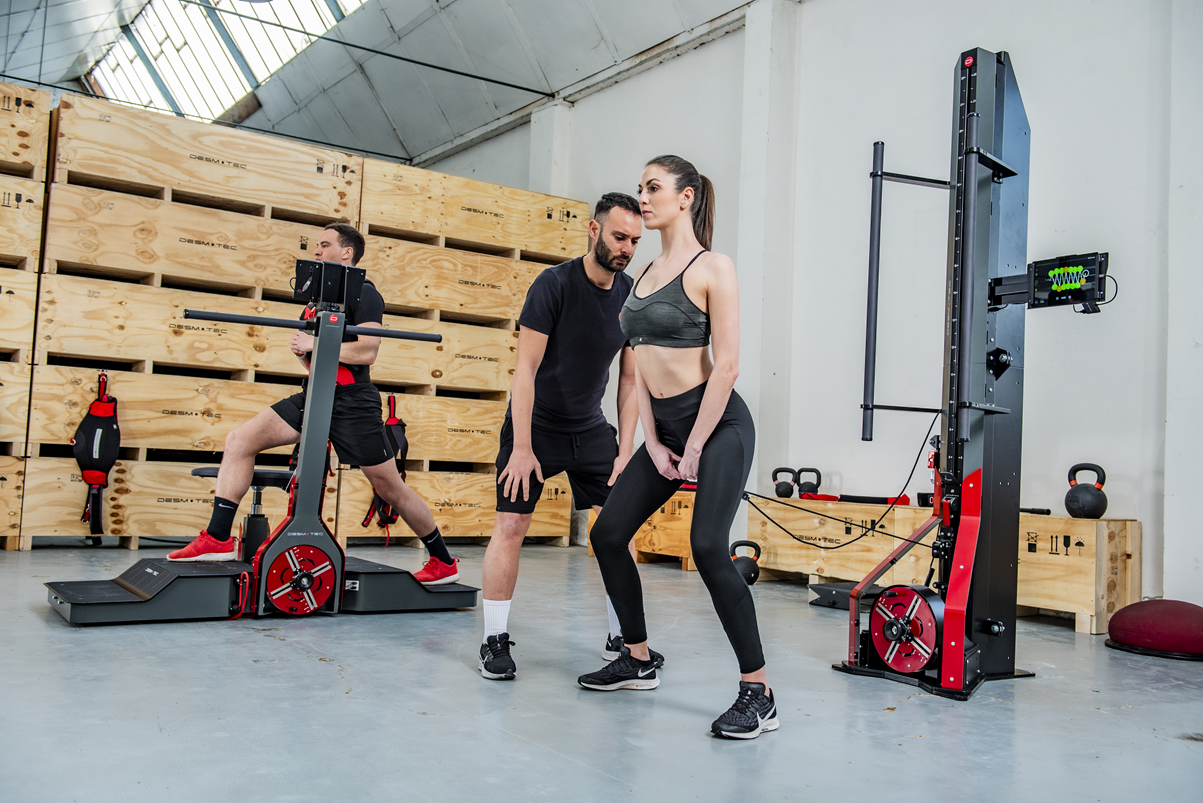
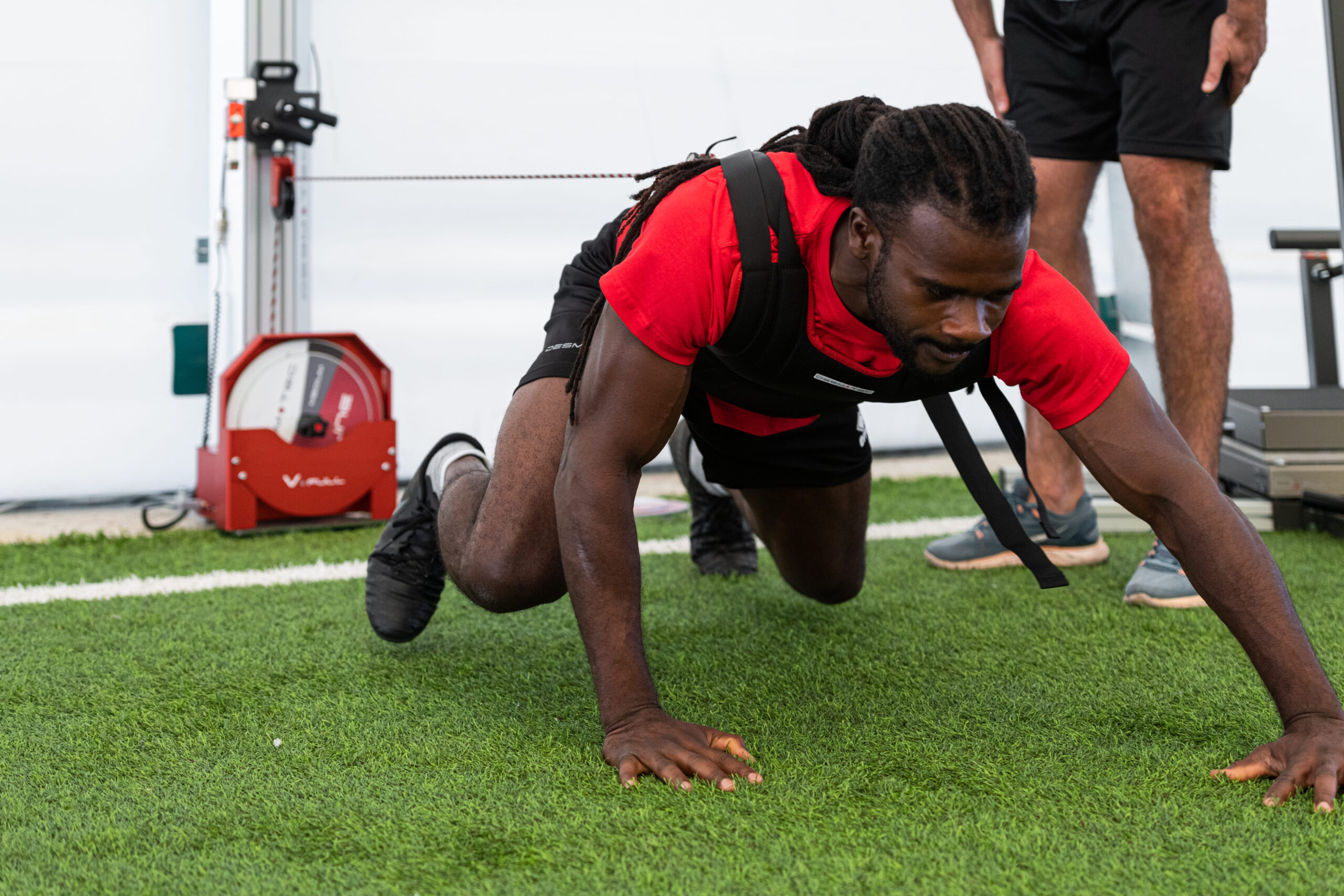
In team sports, strength training is essential both to improve performance and to prevent injuries. In recent years, the flywheel method has established itself as an effective alternative to traditional weight exercises, thanks to its ability to overload the eccentric phase of movement, often neglected in isotonic exercises.
Why choose flywheel training
Numerous studies have shown that flyingwheel training improves strength, muscle hypertrophy, speed, jumping ability, and directional changes. These benefits were observed in both amateur and professional athletes, in disciplines such as football, handball, rugby and volleyball. In addition, flywheel training has proved useful in rehabilitation and prevention of muscle injuries, especially to ischiocrurals.
The period of training in team sports
Periodisation is the systematic organization of training to optimize results at specific times of the season. In team sports, the program must integrate collective (such as the race schedule) and individual needs (such as fatigue management and personal goals). Preparatorys must choose strategies to train the strength and power qualities while respecting the loads and recovery times imposed by the season.
Frequency of flywheel: how to organize sessions
Scientific literature suggests that 2-3 weekly flywheel training sessions may induce significant adaptations. During the pre-season, two sessions per week can maximize chronic adaptations: one focused on strength (high loads, few movements) and one on power (lighter loads, explosive movements). In the season, you can differentiate work between holders and reserves according to their exposure to races.
In the weeks with two games, the time to train is reduced: in these cases, only one power-oriented session is recommended, possibly with "micro doses" (1-2 2-3 exercise series).
Practical guidelines
To achieve the best results, it is important to vary the intensity (loads from 0.025 to > 0.050 kg·m2) and select multiarticular exercises (squats, disconnects, sinks) for force development, while monoarticular exercises (leg curl, hip extension) are ideal for prevention. The recovery time between the series is also important: High loads require longer breaks (>2–3 min)
Current limits and future directions
Despite promising results, comparative studies on the different models of long-term flywheel timing are lacking. In addition, most of the research focused on male athletes, leaving the female scope uncovered. Finally, additional data on the effectiveness of micro-doses per week are needed.
Conclusion
This is a first methodological scheme useful for the programming of flywheel training in team sports. Stressing the benefits of this method, providing examples of microcycles for different disciplines and stages of the season, and identifying gaps that future studies will have to fill in to optimise the use of this innovative methodology.
Discover the range of Desmotec devices designed with flywheel technology and start working more effectively and professionally today.
Go to Desmotec products