
Isoinertial training: why does it activate more muscles than traditional weights?
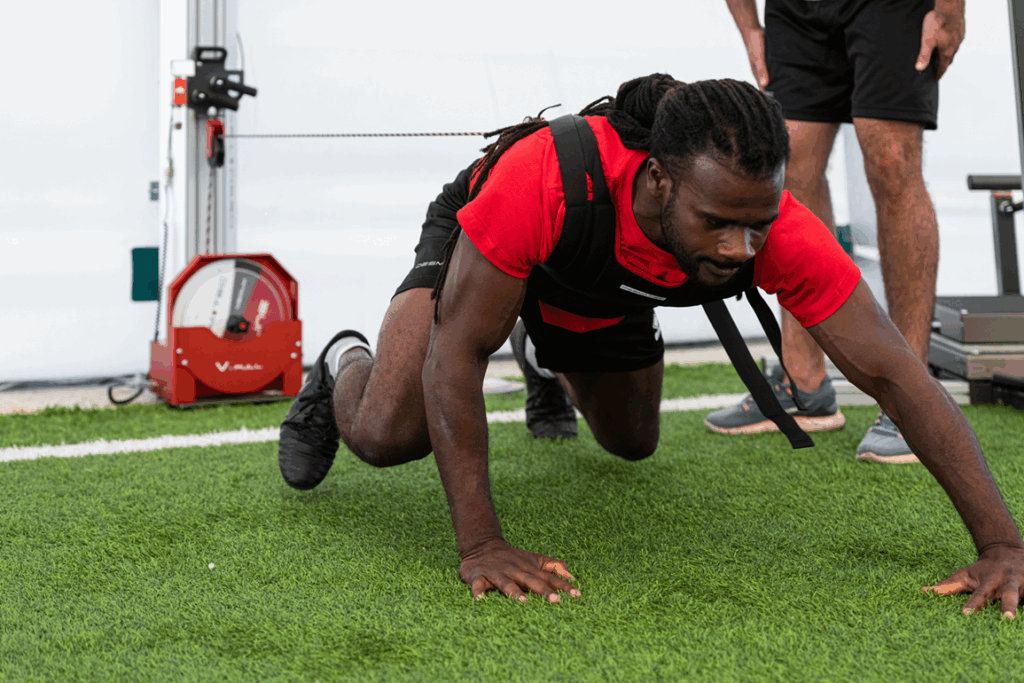
Introduction In the world of fitness and athletic preparation, weight training has always been considered the reference method to develop strength and muscle mass. In recent years, however, an alternative technique has gained attention: Flywheel training. A study conducted by Swedish researchers directly compared this mode with the training [...]
Flywheel, strength and body: a new perspective on the balance between concentration and eccentricity
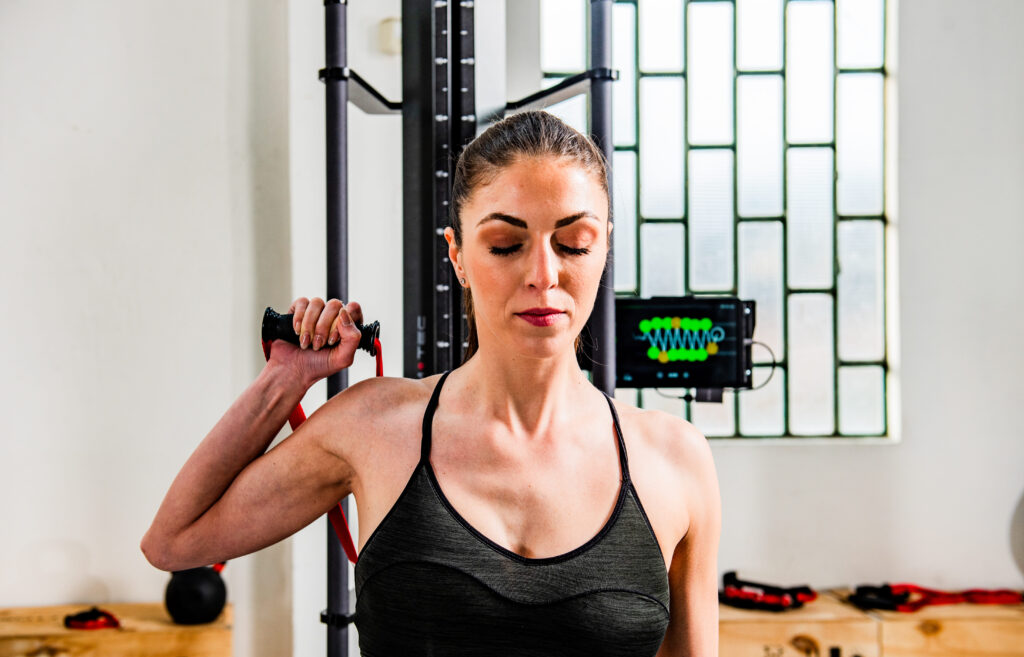
Strength and muscle power are key elements for athletic success in many sports disciplines. With the increase in the use of flywheel devices in strength training, it has become essential to understand how the strength level and body mass affect performance during exercises such as squat and split squat. The [...]
Differences in muscle activation between freeweight squats and flywheel resistance squats: a pilot study
Introduction The frontal squat is one of the basic strength exercises, employed in numerous sports to develop the muscles of the lower limbs and back. The flywheel resistance variant gained popularity for its potential to increase eccentric stimulus, i.e. the phase in which the muscle lengthens under tension. [...]
Calcium isoinertial technology: prevention and rehabilitation of muscle injuries
A Problem in Football Calcium is one of the sports with the highest risk of muscle injury, especially to the lower limbs. The most affected muscle groups are the back thigh muscles (hamstring), adductors, quadriceps and calves. The risk is aggravated by explosive movements such as sprint, change of direction [...]

